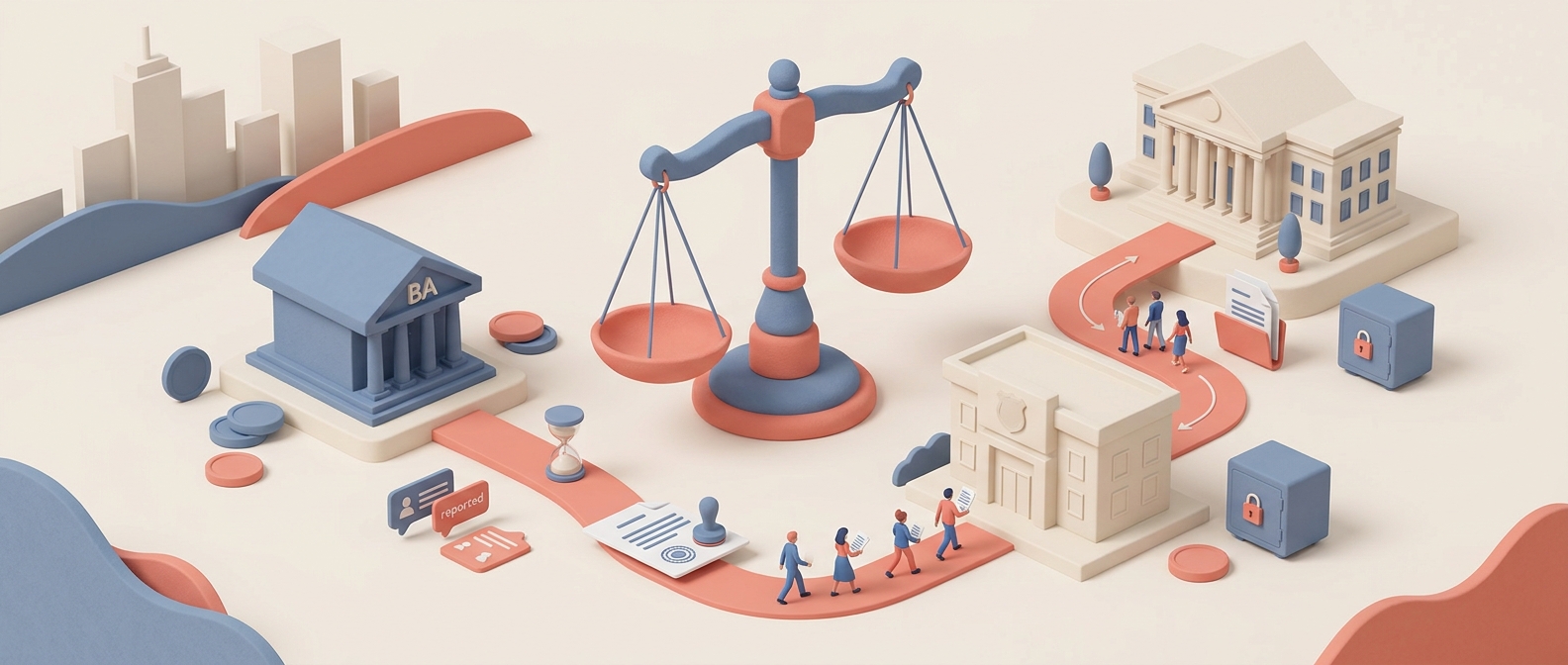
You arrive in the UAE with a spotless credit record back home, apply for a credit card, and get declined. This surprises almost every newcomer. Your home-country history does not follow you: the Al Etihad Credit Bureau (AECB) starts your UAE file from zero.
Banks therefore judge you on the only things they can see: your salary, your employer, and how long your salary has been landing in a UAE account. The good news is that the path from zero to a decent card is short and predictable if you follow it in order.
Why banks say no at first
Every card application triggers an AECB check. With no UAE borrowing history, the bureau returns a thin file, and thin files read as risk. Our guide to why your AECB credit score matters explains how the score is built.
Banks also apply a minimum salary requirement, commonly around AED 5,000 per month for entry-level cards and higher for premium ones. Below that threshold, unsecured cards are largely off the table, though secured options still work.
Finally, most banks want to see one to three salary credits in your account before approving. Applying in week one of a new job usually wastes an application, and each rejection is visible to the next bank.
The realistic first-card routes
Work through these in order. Each step makes the next one easier.
- Open a salary account and let salaries land. Two or three months of salary history transforms your file. Choosing the right bank matters here; see our guide to choosing a UAE salary account.
- Apply with your salary bank first. Your own bank can see your income directly, so it approves cases other banks decline.
- Take a secured card if unsecured is refused. You place a fixed deposit, and the bank issues a card with a limit of around 80 to 100 per cent of the deposit. It behaves like any other card and builds AECB history the same way.
- Consider digital-first cards. Liv, Wio and Mashreq Neo often approve newer residents faster than traditional banks, sometimes with lower salary thresholds. Confirm current criteria in the app before applying.
Space applications out. Several AECB enquiries in a short window drags your score down before it has even formed.
What to compare before you sign
- Annual fee. Many entry cards are free for life or free in year one. "Free first year" cards often start charging in year two unless you meet a spend target, so diarise it.
- Interest rate. UAE card interest is quoted monthly and typically sits around 3 to 3.5 per cent per month, which is over 40 per cent a year. Confirm the current rate in the bank's schedule of charges. The rate is irrelevant if you always pay in full, and punishing if you do not.
- Foreign transaction fees. Usually around 2 to 3 per cent on non-AED spending, relevant for travel and overseas subscriptions.
- Cash advance fees. Withdrawing cash on a credit card triggers a fee plus immediate interest. Treat it as an emergency-only feature.
- Rewards that match your life. Cashback beats airline miles for most people on a first card. Ignore welcome bonuses that require heavy spending in the first months.
Using the card to build your score
Set a standing instruction to pay the full statement balance by direct debit. Paying only the minimum keeps you permanently in interest and signals stress to the bureau.
Keep utilisation low: staying under about 30 per cent of your limit reads well on your AECB file. After six to twelve months of clean history, you can request a limit increase or a better card, and your improved score will also help with personal loans and other borrowing.
One warning that catches newcomers: a card balance is a debt. If you leave the UAE, settle it before your final departure, because unpaid card debt can lead to legal action and problems re-entering.
Key takeaway
Let two or three salaries land, apply with your own bank first, and take a secured card if refused. Pay in full every month and your AECB file goes from empty to strong within a year, which is faster than most expats expect.
FAQ
What is the minimum salary for a UAE credit card?
Most banks set entry-level cards at around AED 5,000 per month, with premium cards requiring more. Secured cards backed by a fixed deposit can bypass the salary requirement. Confirm each bank's current threshold before applying.
Does my credit history from home count in the UAE?
No. AECB only records UAE borrowing, so everyone starts from zero. A perfect record in your home country neither helps nor hurts your UAE applications.
How long until I can get my first card?
Typically two to three months after your first salary credit. Secured cards can be issued almost immediately once your account and fixed deposit are in place.
Is it bad to apply to several banks at once?
Yes. Each application creates an AECB enquiry, and clusters of enquiries lower your score and make banks cautious. Apply to one bank, wait for the outcome, then try the next if declined.